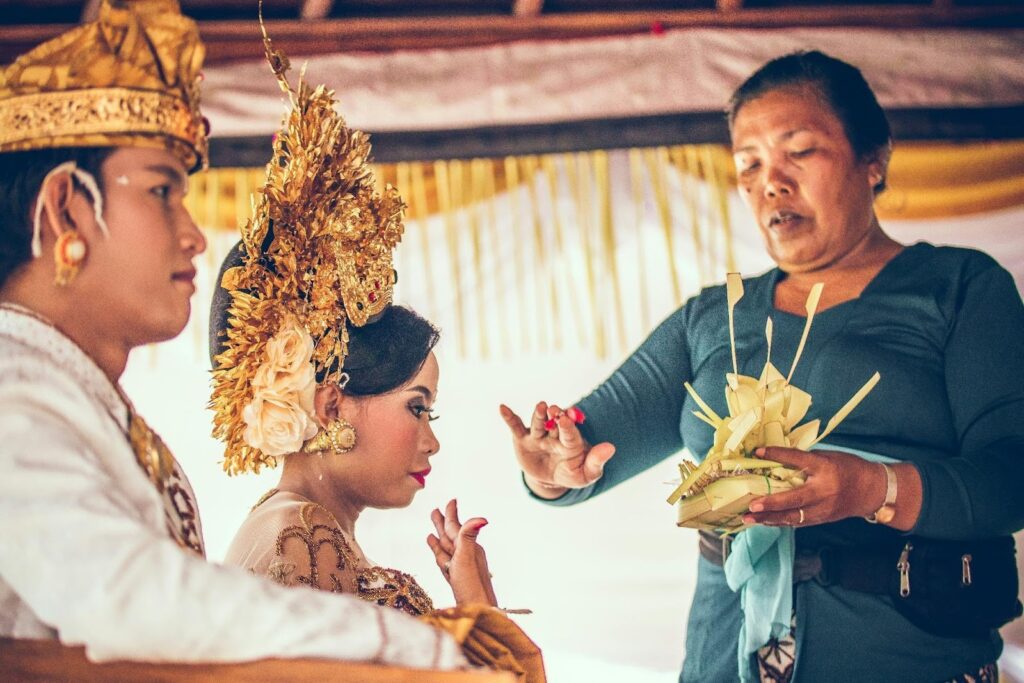
Weddings are a celebration of love, filled with joy and cherished memories. But beyond the glitz and glamour, they also offer an opportunity to honor family traditions. Despite the influence of contemporary trends, integrating family customs into one’s wedding day creates a touching and personal experience. I’ve recently faced this conflict myself, trying to balance the old with the new, and I’ve learned the value of keeping family traditions alive in such significant events.
Bringing Tradition to Light
The planning of my own wedding was an eye-opening experience. As someone who appreciates both novelty and nostalgia, I wanted to ensure our celebration reflected who we are while honoring where we come from. The first tradition we incorporated was my grandmother’s veil, which was worn by three generations of women in our family. Retaining such connections to the past made my wedding even more special, and it reminded me that history is a significant part of our identity.
When it came to some modern conveniences, choosing the right theme and colors for our special day was made easier by the availability of online wedding invitations that allowed us to explore various designs. It was yet another way we could blend contemporary elements with our cherished family traditions while adding a personal touch.
Another beautiful tradition we decided to include was the handfasting ceremony, an ancient ritual where the couple’s hands are tied together with a ribbon, symbolizing their union. My parents still remember the stories handed down from their own grandparents about this humble yet profound act. It was an emotional moment for everyone as it represents a commitment not only to each other but also to the legacies that preceded us.
Incorporating ancestral stories into our vows added a layer of depth and connection to our ceremony. Our families shared tales of enduring marriages and communal ties, which instilled in us a sense of continuity and shared responsibility. It brought storytelling to the forefront, an art that’s deeply embedded in our family and one that has carried values and lessons through generations. These narratives helped us see our lives not as isolated instances, but as part of a larger mosaic.
Rituals That Transcend Time
Many weddings feature rituals that have been practiced for centuries. At our wedding, we decided to include a candle-lighting ceremony, a tradition symbolizing the merging of two families. Our parents lit a candle together, and we used it to light one larger, central candle. This represented our two families becoming one. Such symbolic gestures have a deeper meaning that transcends time, reminding us of our place within a broader family narrative.
We chose to dedicate a moment to honoring our late grandparents through a moment of silence. They were mentioned in an acknowledgment before the ceremony; their wisdom and love were things we deeply cherished and missed. This small gesture meant much to those who knew them, and it acknowledged their lasting influence on our lives.
Music and Dance: The Universal Language
Music and dance are universal languages that can communicate emotions and traditions like nothing else. During our wedding, we embraced a traditional folk dance passed down from our ancestors. Everyone, young and old, took part. It was a delightful and touching moment to see generations joining together, gracefully moving to rhythms that have stood the test of time. In those moments, it felt like the generations before us were present, dancing alongside us.
We also compiled a playlist with songs that different family members loved, ensuring more contemporary favorites were mixed in with old classics, creating an inclusive and vibrant atmosphere. The joy on our relatives’ faces as they heard familiar tunes was an experience that resonated with both our family and friends.
Passing on a Legacy
After reflecting on our wedding, I’m firm in my belief that integrating family traditions into such ceremonies adds depth to the event. It was heartwarming to see our guests appreciate the effort we put into upholding customs, offering them a piece of our family’s story. I can only hope my future children will recognize the importance of these traditions and continue them in their own time, honoring their roots while embracing their individuality.
Listening to the feedback from guests, it was evident that integrating our family traditions elevated the wedding into something more than just an event. It was a celebration of life itself, one that leaves an emotional legacy that echoes far beyond the day itself. Through storytelling, shared dishes, and traditional rituals, it was clear that our wedding was not just about us—it was about community, history, and continuity.
Conclusion
Planning a wedding often involves balancing different influences and preferences, but I’m convinced it’s worth making time for the traditions that hold meaning for our families. These practices do more than add authenticity to the wedding day; they serve as a bridge between past, present, and future generations. Keeping family traditions alive in weddings doesn’t just honor those who came before us—it’s a gift we offer those who come after. If there’s one piece of advice I can give, it’s to make your wedding day as personal and meaningful as possible by weaving your history into a day you’ll remember forever.